
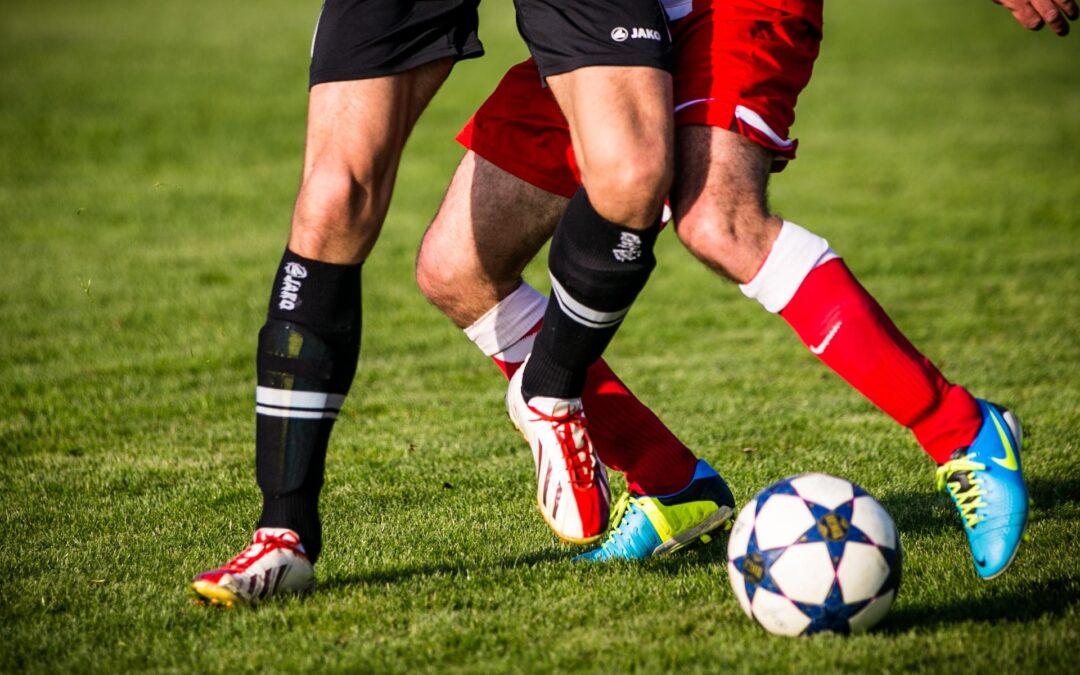
Spaans Leren met Voetbal: Zou Jij een Wedstrijd bij het WK 2026 Begrijpen?
Denk aan de laatste voetbalwedstrijd die je hebt gezien. Stel je nu voor dat de commentator Spaans spreekt, de supporters unisono zingen, de scheidsrechter een omstreden beslissing neemt en het hele stadion binnen enkele seconden ontploft.
“¡Qué paradón! ¡La pone al segundo palo… remata de cabeza… ¡GOOOOOOOL! ¡España se adelanta en el marcador!”
Heb je de hele actie begrepen? Slechts een paar woorden? Of herkende je alleen het woord gol?
Als je Spaans aan het leren bent, komt deze situatie veel vaker voor dan je denkt. Voetbal heeft een eigen taal: uitdrukkingen, woordenschat, culturele verwijzingen en een spreeksnelheid die zelfs voor studenten met een goed niveau uitdagend kan zijn.
Toch is die moeilijkheid ook een grote kans. Luisteren naar hoe commentatoren praten, een wedstrijdverslag volgen of samen met Spaanse fans naar een wedstrijd kijken, is een van de meest natuurlijke manieren om Spaans te leren met voetbal — je luistervaardigheid te verbeteren en de taal te leren zoals die in het echte leven wordt gebruikt.
Boeken leren je de taal. Ervaringen leren je haar te begrijpen.
Met het WK 2026 in aantocht, komen miljoenen mensen weer samen om te genieten van het grootste voetbalevenement ter wereld. Voor wie Spaans leert, kan dit ook een echt klaslokaal zonder muren worden.
In dit artikel ontdek je hoeveel Spaans je al kunt begrijpen tijdens een wedstrijd, leer je de essentiële voetbalwoordenschat, maak je kennis met uitdrukkingen van moedertaalsprekers en krijg je tips om het WK te gebruiken als een leuke manier om je niveau verder te verbeteren.
Wat leer je in dit artikel?
- Waarom voetbal een van de beste manieren is om Spaans te leren.
- De meest gebruikte woorden tijdens een wedstrijd.
- Uitdrukkingen die je in Spanje hoort en die ook in het dagelijks leven worden gebruikt.
- Hoe je je luistervaardigheid verbetert terwijl je geniet van het WK 2026.
- Welk niveau Spaans je nodig hebt om een sportverslag te volgen.
Klaar om te ontdekken of je een voetbalwedstrijd volledig in het Spaans zou kunnen volgen? Het beginfluitsignaal klinkt zo.
Waarom kan voetbal je helpen Spaans te leren?
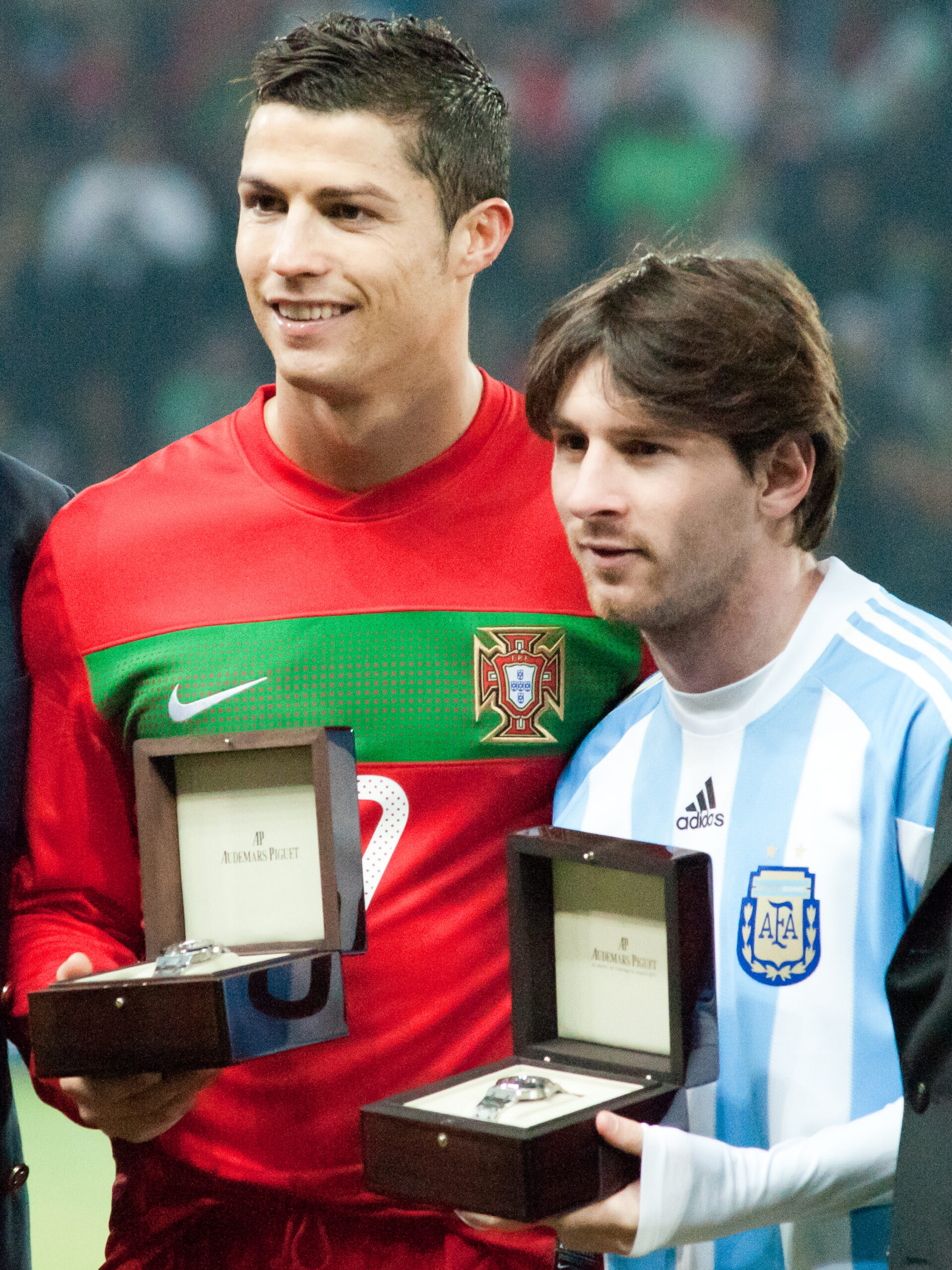
- Cristiano Ronaldo en Lionel Messi vlak voor een vriendschappelijke wedstrijd tussen Portugal en Argentinië in Zwitserland, in 2011.
Als we denken aan het leren van een taal, stellen we ons meestal boeken, grammaticaoefeningen of lessen met een docent voor. Dat is allemaal belangrijk, maar er is één element dat het echte verschil maakt tussen een taal studeren en haar spreken: blootstelling aan echte taal.
Voetbal biedt precies die context. Tijdens een wedstrijd hoor je hoe sportcommentatoren praten, hoe fans reageren en welke uitdrukkingen spelers en trainers gebruiken. Het is spontaan Spaans, vol emotie en heel vergelijkbaar met wat je in alledaagse gesprekken tegenkomt.
Bovendien maakt de visuele context leren veel eenvoudiger. Zelfs als je niet elk woord begrijpt, helpen de beelden je om de betekenis van veel uitdrukkingen te raden. Na verloop van tijd begint je brein die woordenschat te koppelen aan echte situaties, en wordt het onthouden ervan veel makkelijker.
Het is geen toeval dat veel taaldocenten aanraden om films te kijken, podcasts te beluisteren of sportevenementen te volgen in de taal die je aan het leren bent. Het WK 2026 kan de perfecte gelegenheid zijn om dit op een leuke manier te doen.
Welke vaardigheden verbeter je door wedstrijden in het Spaans te kijken?
- Luistervaardigheid: je oor went aan verschillende snelheden en accenten.
- Woordenschat: je leert veelgebruikte woorden en uitdrukkingen.
- Uitspraak: je hoort hoe moedertaalsprekers in echte situaties praten.
- Contextbegrip: veel woorden worden duidelijk dankzij wat er tijdens de wedstrijd gebeurt.
- Cultuur: je ontdekt hoe voetbal in Spanje wordt beleefd en waarom het deel uitmaakt van het dagelijks leven.
Wist je dat: veel Spaanse voetbaluitdrukkingen ook buiten de sport worden gebruikt. Zinnen als “ir a por todas”, “remontar” of “jugar en casa” komen voor op het werk, tijdens de studie of zelfs in gesprekken tussen vrienden.
Ook als je geen grote voetballiefhebber bent, helpt het begrijpen van deze woordenschat je dus om je beter te redden in gesprekken met Spaanse mensen. Sport is slechts het startpunt; het echte doel is een natuurlijker, alledaags Spaans leren.
Test je Spaans: zou je dit wedstrijdverslag kunnen volgen?
Het moment van de uitdaging is aangebroken. Stel je voor dat je een WK-wedstrijd kijkt in een bar in Valencia, omringd door Spaanse fans. Het volume van de tv gaat omhoog en de commentator begint de actie te beschrijven. Zoek de woorden niet op internet op — lees gewoon het volgende fragment en denk na over hoeveel je daadwerkelijk begrijpt.
“Recupera España en el centro del campo. Abre a la banda derecha, llega el centro al área… ¡remata de cabeza! El portero evita el gol con un auténtico paradón. El balón queda muerto, aparece el delantero… ¡dispara! ¡GOOOOOOOL! España rompe el empate cuando quedaban apenas cinco minutos para el final.”
Welke woorden heb je herkend? Ook al heb je niet het hele commentaar begrepen, je hebt waarschijnlijk termen als gol, portero of España herkend. Andere uitdrukkingen, zoals romper el empate of quedar el balón muerto, waren misschien lastiger.
Geen zorgen. In de volgende sectie ontleden we de actie woord voor woord, zodat je de volgende keer dat je een wedstrijdverslag in het Spaans hoort, veel meer begrijpt dan je denkt.
De woorden die je nodig hebt om een wedstrijd in het Spaans te begrijpen
Laten we de actie opnieuw lezen:
“Recupera España en el centro del campo. Abre a la banda derecha, llega el centro al área… ¡remata de cabeza! El portero evita el gol con un auténtico paradón. El balón queda muerto, aparece el delantero… ¡dispara! ¡GOOOOOOOL! España rompe el empate cuando quedaban apenas cinco minutos para el final.”
Laten we nu de belangrijkste woorden ontleden. Je zult zien dat veel ervan steeds weer terugkomen in elk sportverslag.
⚽ Recuperar el balón
Betekent de bal terugwinnen nadat de tegenstander aan het aanvallen was.
Voorbeeld: España recuperó el balón y comenzó un nuevo ataque. (Spanje veroverde de bal terug en begon een nieuwe aanval.)
⚽ Centro del campo
Het middenveld van het speelveld. Vandaar begint meestal het merendeel van de acties.
⚽ Banda
De zijkanten van het veld. Het is heel gebruikelijk om uitdrukkingen te horen als “juega por la banda” of “abre el balón a la banda derecha” (hij speelt over de flank / hij verlegt het spel naar de rechterflank).
⚽ Centro
Niet te verwarren met centro del campo. In het voetbal is een centro een voorzet vanaf de zijkant naar het strafschopgebied van de tegenstander, met de bedoeling een kans te creëren.
⚽ Área
Het gebied vlak voor het doel. Veel van de belangrijkste acties van de wedstrijd gebeuren hier.
⚽ Rematar
Betekent de bal raken met de bedoeling te scoren. Dit kan met de voet, met het hoofd, of met elk lichaamsdeel dat volgens de regels is toegestaan.
Gebruikelijke uitdrukking: Rematar de cabeza (koppen richting doel).
⚽ Portero
De enige speler die zijn handen mag gebruiken binnen zijn eigen strafschopgebied om de bal tegen te houden.
In sommige Latijns-Amerikaanse landen hoor je ook het woord arquero.
⚽ Paradón
Een van de favoriete woorden van Spaanse commentatoren.
Een paradón is een spectaculaire redding van de doelman die een bijna zekere goal voorkomt.
Als je “¡Qué paradón!” hoort, kun je er zeker van zijn dat de keeper zojuist een geweldige redding heeft verricht.
⚽ Delantero
De speler die vooral verantwoordelijk is voor het creëren van kansen en het scoren van doelpunten.
⚽ Romper el empate
Wanneer een wedstrijd gelijk staat en een van de teams erin slaagt te scoren, wordt gezegd dat ze roto el empate hebben (de gelijke stand hebben doorbroken).
Je hoort ook:
- Adelantarse en el marcador (op voorsprong komen).
- Ponerse por delante (de leiding nemen).
- Abrir el marcador (de score openen).
Tip: probeer niet al deze woorden in één keer uit je hoofd te leren. Bekijk een wedstrijd opnieuw en probeer ze te herkennen wanneer ze voorbijkomen — je leert veel sneller door ze in een echte context te horen. Hieronder staat een voorbeeld van een doelpuntcommentaar in het Spaans, zodat je je luistervaardigheid kunt oefenen.
Deze video is een echt Spaans doelpuntcommentaar — luister er een paar keer naar: eerst zonder elk woord te vertalen, en daarna terwijl je probeert de zojuist behandelde termen te herkennen.
Woorden die je in bijna elke wedstrijd hoort
Naast de bovenstaande woordenschat is er een reeks termen die in vrijwel elk Spaanstalig sportverslag voorkomen. Als je ze leert herkennen, begrijp je een groot deel van wat er tijdens een wedstrijd gebeurt.
| Woord | Wat betekent het? |
|---|---|
| Gol | Wanneer de bal het doel binnengaat. |
| Árbitro | De scheidsrechter, die de wedstrijd leidt. |
| Falta | Een overtreding begaan door een speler. |
| Penalti | Een strafschop vanaf elf meter na een overtreding in het strafschopgebied. |
| Córner | Een hoekschop. |
| Fuera de juego | Buitenspel — de regel die voorkomt dat een speler voordeel haalt door voor de verdediging te staan. |
| Prórroga | Verlenging, gespeeld wanneer een knock-outwedstrijd gelijk eindigt. |
| Tanda de penaltis | Een strafschoppenserie, gebruikt om een winnaar aan te wijzen. |
| Afición | De aanhang van een team. |
| Marcador | Het scorebord, of de uitslag van de wedstrijd. |
Van het stadion naar het dagelijks leven: voetbaluitdrukkingen die Spanjaarden voortdurend gebruiken
Een van de redenen waarom voetbal zo nuttig is om Spaans te leren, is dat veel van zijn uitdrukkingen het stadion hebben verlaten en deel zijn geworden van de alledaagse taal.
Je hoort deze zinnen op het werk, op de universiteit, of zelfs in een gesprek tussen vrienden, ook al gaat het helemaal niet over sport.
Als je hun betekenis leert, begrijp je niet alleen een WK-wedstrijd beter, maar volg je ook veel meer alledaagse gesprekken in Spanje.
⚽ Ir a por todas
Betekent je maximale inspanning leveren om een doel te bereiken.
Voorbeeld in een wedstrijd: “España ha salido a por todas desde el primer minuto.” (Spanje ging vanaf de eerste minuut all-in.)
Voorbeeld in het dagelijks leven: “Este año voy a ir a por todas con mi examen de español.” (Dit jaar ga ik er helemaal voor met mijn Spaanse examen.)
⚽ Remontar
In het voetbal betekent het een ongunstige uitslag omdraaien. Buiten de sport wordt het ook gebruikt om te praten over het overwinnen van een lastige situatie.
“Después de suspender el primer examen consiguió remontar el curso.” (Na het niet halen van het eerste examen wist hij het schooljaar alsnog om te buigen.)
⚽ Jugar en casa
Betekent letterlijk een wedstrijd spelen in je eigen stadion. Spanjaarden gebruiken deze uitdrukking echter ook wanneer iemand zich in een vertrouwde omgeving bevindt of een voordeel heeft omdat hij op een plek is die hij goed kent.
“En esa empresa juega en casa porque lleva diez años trabajando allí.” (Bij dat bedrijf speelt hij thuis, want hij werkt er al tien jaar.)
⚽ Marcar un gol
Betekent niet altijd scoren tijdens een wedstrijd. Het kan ook worden gebruikt wanneer iemand iets belangrijks bereikt of succes heeft in een bepaalde situatie.
“Con esa idea ha marcado un auténtico gol en la reunión.” (Met dat idee scoorde hij een echt doelpunt tijdens de vergadering.)
⚽ Estar contra las cuerdas
Hoewel deze uitdrukking oorspronkelijk uit het boksen komt, verschijnt ze voortdurend in sportverslagen en ook in alledaagse gesprekken. Het betekent dat je je in een zeer moeilijke situatie bevindt.
“El equipo estaba contra las cuerdas, pero consiguió remontar.” (Het team stond tegen de touwen, maar wist terug te komen.)
⚽ Salvar los muebles
Een heel Spaanse uitdrukking. Het betekent een groter drama voorkomen of een aanvaardbaar resultaat behalen wanneer het leek alsof alles fout zou gaan.
“El empate permitió salvar los muebles.” (Het gelijkspel maakte het mogelijk om de zaak nog enigszins te redden.)
Waarom praten Spaanse commentatoren zo snel?
Veel studenten denken dat het probleem hun Spaanse niveau is. In werkelijkheid moeten zelfs sommige moedertaalsprekers zich concentreren om bepaalde verslagen te kunnen volgen.
Sportcommentatoren praten snel om een heel simpele reden: het spel verandert voortdurend en zij moeten in enkele seconden beschrijven wat er gebeurt.
Bovendien gebruiken ze woordenschat die fans al perfect kennen, waardoor ze niet elke term hoeven uit te leggen. Dit maakt de zinnen erg snel en vol met voetbalspecifieke uitdrukkingen.
Het goede nieuws is dat je niet elk woord hoeft te begrijpen om een wedstrijd te kunnen volgen.
- Focus eerst op het herkennen van de belangrijkste woordenschat.
- Luister meerdere keren naar het commentaar.
- Kijk naar de beelden terwijl je luistert.
- Vertaal niet elk woord in gedachten.
- Probeer het algemene idee van de actie te begrijpen.
Tip voor studenten: een samenvatting van vijf minuten na de wedstrijd bekijken is een uitstekende manier om te oefenen. Je hoort de belangrijkste momenten, de woordenschat herhaalt zich meerdere keren en de visuele context maakt het begrip makkelijker.
Welk niveau Spaans heb je nodig om een wedstrijd te begrijpen?
Er bestaat geen exact niveau vanaf waar je ineens elk verslag zult begrijpen. Toch kan deze tabel als richtlijn dienen.
| Niveau | Wat kun je begrijpen tijdens een wedstrijd? |
|---|---|
| A1 | Je herkent woorden als gol, árbitro, penalti of portero. |
| A2 | Je begrijpt eenvoudige acties en een deel van de meest gebruikte woordenschat. |
| B1 | Je kunt een groot deel van het commentaar en veel gesprekken tussen fans volgen. |
| B2 | Je begrijpt bijna het hele verslag, inclusief technisch commentaar. |
| C1 | Je begrijpt grapjes, ironie, dubbele betekenissen en regionale verschillen. |
Als je momenteel op A2- of B1-niveau zit en sommige verslagen nog steeds moeilijk vindt, laat je dan niet ontmoedigen. Dat is volkomen normaal. Luistervaardigheid verbetert met oefening en constante blootstelling aan de taal.
De beste manier om deze woordenschat te leren, is haar te beleven
Na het lezen van dit artikel begrijp je waarschijnlijk al veel meer woorden dan een paar minuten geleden. De volgende keer dat je een verslag in het Spaans hoort, herken je termen als paradón, rematar, romper el empate of ir a por todas.
Maar er is een waarheid die elke student vroeg of laat ontdekt: de echte sprong in het leren gebeurt wanneer de taal stopt met bestudeerd worden en begint beleefd te worden.
Luisteren naar twee vrienden die de wedstrijd bespreken op een terras, een doelpunt vieren met mensen uit verschillende landen, of de grapjes begrijpen die in een gesprek naar voren komen — dit zijn ervaringen die geen enkel boek kan reproduceren.
Daarom reizen elk jaar duizenden studenten naar Spanje om de taal te leren door middel van volledige onderdompeling. Lessen zijn belangrijk, maar dat geldt ook voor alles wat er gebeurt zodra de les is afgelopen: koffie bestellen, nieuwe vrienden maken, een stad verkennen of over voetbal praten met mensen uit het land zelf.
Spaans leren gaat niet over het vertalen van woorden. Het gaat over het begrijpen van gesprekken, het delen van ervaringen en je er onderdeel van voelen.
Zet de volgende stap in je leerproces
Als je doel is om Spaans te begrijpen zoals het echt wordt gesproken, kan een onderdompelingservaring je veel sneller vooruit helpen dan alleen thuis studeren.
Bij Dencanto werken we samen met Spaanse taalscholen in heel Spanje om je te helpen het programma te vinden dat het beste past bij jouw niveau, jouw doelen en de tijd die je hebt. Of je nu op zoek bent naar een intensieve cursus of een verblijf van meerdere maanden, je kunt de taal elke dag oefenen, zowel binnen als buiten het klaslokaal.
Artikelen die je ook kunnen helpen
- Intensieve Spaanse cursussen: welke is het beste voor jou?
- Spaanse niveaus (A1, A2, B1, B2, C1 en C2): wat betekenen ze?
- Waarom Spaans leren in Spanje?
- Spaanse zomercursussen.
- Meer artikelen om Spaans te leren.
Veelgestelde vragen
Kun je Spaans leren door voetbalwedstrijden te kijken?
Ja. Wedstrijden in het Spaans kijken helpt om je luistervaardigheid te verbeteren, je woordenschat uit te breiden en vertrouwd te raken met alledaagse uitdrukkingen. Hoewel het geen vervanging is voor lessen, is het een uitstekende manier om Spaans te leren met voetbal in een echte context.
Welk niveau Spaans heb ik nodig om een verslag te begrijpen?
Met een A2-niveau herken je al een groot deel van de basiswoordenschat. Vanaf B1 wordt het veel makkelijker om het verloop van de wedstrijd te volgen en het meeste commentaar te begrijpen.
Wat zijn de belangrijkste voetbalwoorden in het Spaans?
Enkele van de meest voorkomende zijn gol, portero, delantero, árbitro, penalti, córner, fuera de juego, remate, paradón, prórroga en afición.
Waarom helpt voetbal bij het leren van een taal?
Omdat het visuele context, herhalende woordenschat, echte gesprekken en een emotionele component combineert die het onthouden en begrijpen van de taal makkelijker maakt.
How can we help you?