DENCANTO COMMUNITY · CINEMA AND CULTURE
Some films entertain us, others move us, and a few spark our curiosity about the history, culture and places we see on screen. La bola negra, from filmmakers Javier Calvo and Javier Ambrossi, brings these elements together and puts Spanish cinema back in the international spotlight.
The film, rooted in the world of Federico García Lorca, is Spain’s entry for Best International Feature Film at the 2027 Oscars. There is, however, an important distinction: being selected by Spain does not mean the film has already received an Oscar nomination. There is still some way to go.
Its selection gives us a wonderful opportunity to explore Spanish cinema, literature and heritage. After all, discovering a story can also inspire us to experience the places and culture behind it.
01
What makes La bola negra special?
Javier Calvo and Javier Ambrossi weave together a story spanning three periods: 1932, 1937 and 2017. Through its interconnected narratives, the film explores identity, desire, fear and memory, drawing on an unfinished work by Lorca.
It raises questions that still resonate today. Which stories have we told, and which have remained unspoken? How does the past shape our understanding of the present?
A cast featuring Guitarricadelafuente, Miguel Bernardeau, Lola Dueñas and Penélope Cruz adds to the appeal of a film that brings contemporary cinema into conversation with cultural memory.
The directors’ international recognition also adds to the interest surrounding their work. At Cannes 2026, Calvo and Ambrossi shared the directing prize with Paweł Pawlikowski.
Beyond the awards, the film reminds us that cinema can open a door to another country’s culture.
02
Granada: discovering Lorca among streets, squares and gardens
Granada has a special connection with Federico García Lorca. The city and its surroundings preserve places that help us understand the cultural world in which one of Spain’s most celebrated writers grew up.
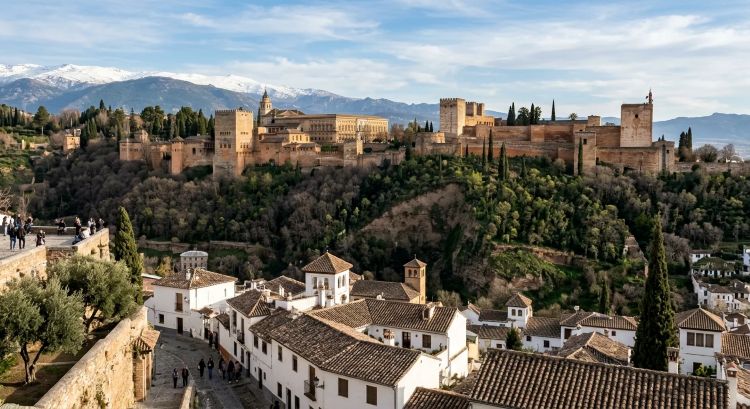
Filming locations in Granada include Plaza de Santa Ana, the Albaicín, Carmen de los Mártires and Huerta de San Vicente.
But Granada offers much more than film locations. The Alhambra, its historic streets, gardens and squares reveal different chapters of Spanish history.
Then there are the things a camera cannot fully capture: conversations with local people, stories passed down through generations, and expressions that only truly make sense when you hear the language in context.
Granada is a place where literature, history and the Spanish language naturally come together.
03
Comillas: architecture and coastal scenery in northern Spain
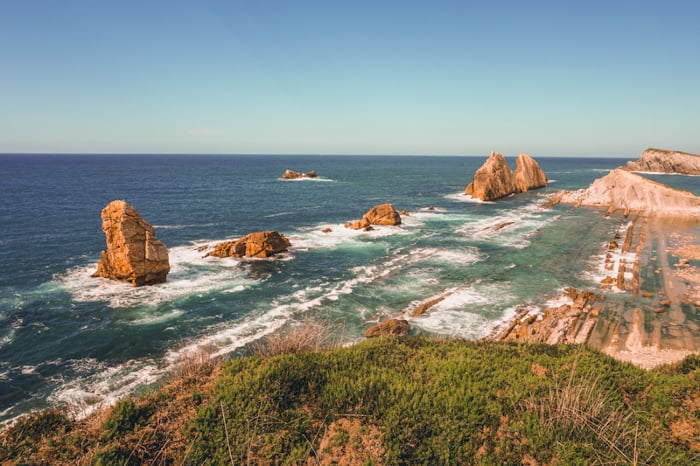
From Andalusia, we head north. Comillas, in Cantabria, reveals a different side of Spain: green landscapes, sea air and remarkable architecture.
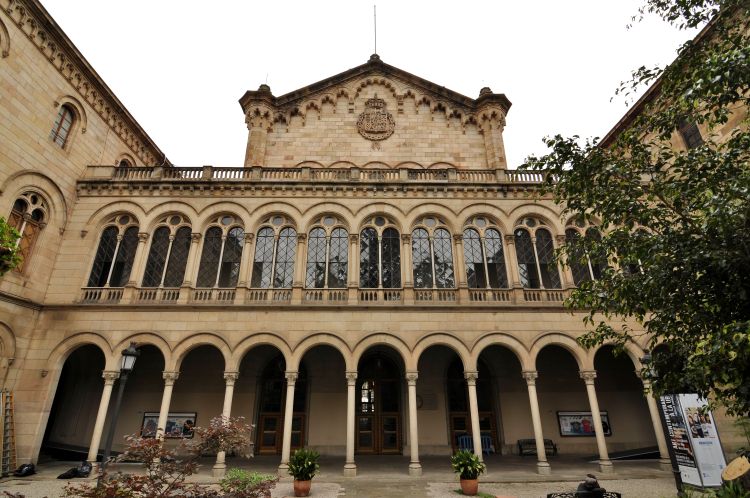
The former main seminary of the Pontifical University of Comillas was among the locations used during filming.
The town is also home to Gaudí’s El Capricho, a Modernista building that shows how this architectural movement extends well beyond Barcelona.
Visiting Comillas offers another perspective on Spain. The climate, food, landscapes and traditions change, along with the words, expressions and customs you encounter.
This cultural diversity is one of the reasons learning Spanish in Spain can be so rewarding.
04
Burgos and Sigüenza: exploring Spain’s historical landscapes
The production also visited Castil de Carrias and Loranquillo, in the province of Burgos. These small rural settlements offer a different view of Spain, away from major cities and familiar tourist destinations.
Their landscapes invite reflection on rural life, changing communities and the importance of preserving local memory.
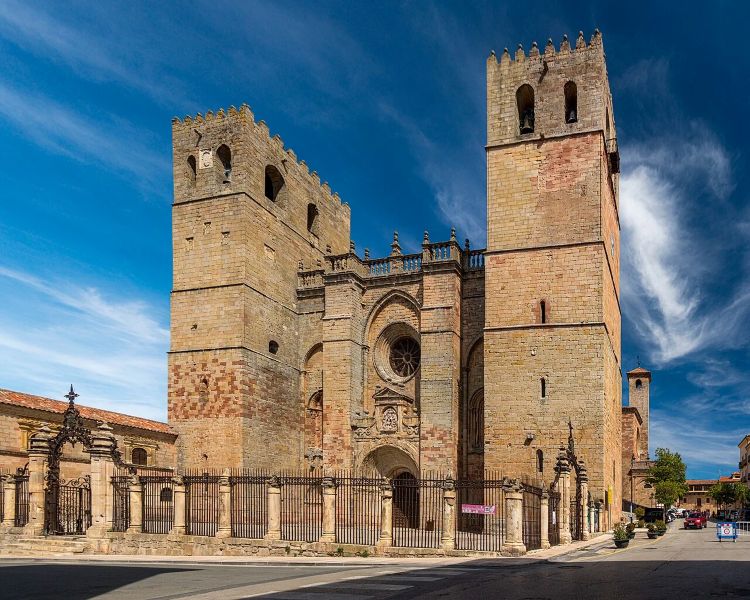
Sigüenza, in Guadalajara, provides another setting steeped in history. Its cathedral, castle and stone streets offer a glimpse of Spain’s medieval heritage, in a town where the past remains part of everyday life.
Granada, Comillas, Burgos and Sigüenza represent very different places and experiences. Discovering them reveals a country with many ways of living, speaking and connecting with its surroundings.
05
From the cinema to the classroom: learn Spanish through culture
Watching a film in its original language reveals nuances that can sometimes be lost in translation. Listening to dialogue, recognising everyday expressions and understanding cultural references are all part of learning.
When you study Spanish in Spain, those words become part of your own experience. You can use them in class, in conversations with other students or while exploring a city.
At Dencanto Community, we help you find Spanish courses in Spain that suit your level, travel dates and goals. We guide you through different schools, programmes and destinations so you can choose the option that feels right for you.
Cinema can spark your curiosity about Spain. Learning its language brings you closer to its culture.
Could your next chapter in Spain begin in a classroom?