DENCANTO COMMUNITY · TRAVELING TO SPAIN
Traveling to Spain to learn Spanish, study, or enjoy a new experience is an opportunity to discover another culture and gain confidence in the language. But if you do not yet speak Spanish fluently, it is normal to wonder how to communicate, what you need to prepare, or how to get by in your daily life.
The key is to organize the essentials before you leave and choose an experience that fits your level, your goals, and the time you are going to spend in Spain. You do not need to speak perfect Spanish to get started: you can prepare little by little and keep learning once you arrive.
01 / BEFORE YOU LEAVE
What do you need to prepare before traveling to Spain?
Before you pack your bags, review these points to avoid surprises and focus on enjoying your experience.
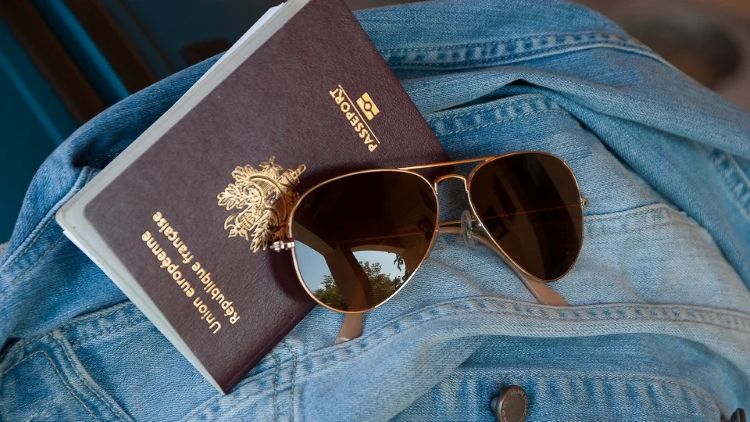
- Documentation: check that your passport or identity document is valid and check the entry requirements for your nationality and the length of your stay.
- Accommodation: decide where you are going to live and confirm the dates, address, and booking conditions.
- Budget: calculate accommodation, food, transport, activities, and possible unexpected expenses.
- Medical insurance: check what coverage you need according to your situation and the requirements applicable to your stay.
- Connectivity: review mobile data options and make sure you can access your bookings and important documents.
- Basic Spanish: learn expressions that allow you to greet people, ask for help, ask for directions, and communicate your needs.
If your goal is to study Spanish in Spain, you should also decide how much time you want to dedicate to classes and what you expect to achieve during the trip.

02 / USEFUL SPANISH
What Spanish do you need to get by in Spain?
You do not need to have an advanced level to travel to Spain. However, knowing some basic expressions can help you feel more comfortable from the first day.
Start with these phrases, organized according to the situations you may encounter during your stay.
Glossary of useful Spanish before traveling
| Situation | Spanish phrases |
|---|---|
| Greeting and introducing yourself | “Hola, ¿qué tal?”, “Me llamo…”, “Soy de…” |
| In a café or restaurant | “Quería un café, por favor”, “¿Qué me recomienda?”, “¿Me trae la cuenta, por favor?” |
| On public transport | “¿Dónde está la parada?”, “¿Este autobús va al centro?”, “¿Cuánto cuesta el billete?” |
| In a shop | “¿Cuánto cuesta?”, “¿Puedo pagar con tarjeta?”, “Solo estoy mirando, gracias” |
| Asking for help | “¿Puede ayudarme?”, “Me he perdido”, “¿Puede repetirlo más despacio?” |
| When you don’t understand | “Estoy aprendiendo español”, “No entiendo muy bien”, “¿Puede hablar más despacio?” |
| Meeting people | “¿De dónde eres?”, “¿Qué haces en España?”, “¿Cuánto tiempo llevas aquí?” |
| At your accommodation | “¿A qué hora puedo entrar?”, “¿Dónde están las llaves?”, “¿Cómo funciona el wifi?” |
| Solving a problem | “Tengo una pregunta”, “Hay un problema con…”, “¿A quién puedo preguntar?” |
You do not need to memorize all these expressions at once. Start with the ones you are most likely to use and practice how to pronounce them before the trip.
The important thing is not knowing hundreds of words, but learning to handle real situations. Listening to conversations, practicing out loud, and becoming familiar with common questions will help you gain confidence.
If you are starting from scratch, you can prepare for the trip with a Spanish level test to find out your starting point and better guide your learning.
03 / DAILY LIFE
What is everyday life like in Spain?
The experience depends on the city, the time of year, and your habits, but there are some points worth knowing before you arrive.
Meal times may be different from those in your country. Lunch is usually later than in other parts of Europe, and many people have dinner from 20:00 or 21:00. In some cities and establishments, schedules change depending on the season.
It is also common to socialize in cafés, on terraces, and in public spaces. These places can become an opportunity to practice Spanish spontaneously, even if you only have brief conversations.
As for transport, large cities usually have bus, metro, or tram networks, while in smaller towns you may need to check schedules in advance.
A tip: do not try to plan every minute. Leave space to discover the city, the local food of the area, talk to other people, and learn from situations you had not planned. Often, an everyday conversation is a good opportunity to put what you have learned into practice.

04 / COURSE
Which Spanish course should you choose before traveling?
If you want to improve your Spanish during your stay, choosing the right course can make a big difference. The best option depends on your level, the time available, and how much you want to practice.
- Course for beginners: ideal if you are starting from scratch or need to build a base of vocabulary, grammar, and everyday expressions.
- Conversation course: suitable if you already have some knowledge and want to become more fluent when speaking, understand other people better, and take part in real conversations.
- Intensive course: an alternative for those who want to dedicate more hours to learning during a relatively short stay and move forward with a more demanding study routine.
- Long-term course: it may fit if you plan to spend several months in Spain and want to progress gradually, consolidate knowledge, and improve your communication.
- Specialized course: it can be a good option if you have a specific goal, such as preparing for an official exam or developing Spanish for your studies or profession.
Do not choose only by the number of classes. Take into account the group size, the communicative approach, the location of the school, accommodation, and the total budget.
05 / IMMERSION
How to make the most of your stay to truly learn Spanish
Classes are an important part of learning, but progress also depends on what you do outside the classroom. Language immersion allows you to use Spanish in real contexts and gradually get used to listening to different accents and ways of speaking.
To make the most of it, try these five ideas:
- Speak in Spanish whenever you can, even if you make mistakes. You do not need to build perfect sentences to start communicating.
- Listen to podcasts, videos, or simple content before and during the trip to become familiar with the rhythm of the language.
- Learn a new expression every day and use it in a real conversation.
- Take part in cultural activities or meetings with other students to practice the language while meeting people.
- Ask people to repeat or explain a phrase when you do not understand it. Asking questions is also part of learning.
You do not need to understand everything from the beginning. Every conversation gives you the opportunity to practice, identify what you find difficult, and gain confidence.
06 / DENCANTO COMMUNITY
Prepare your trip with Dencanto Community
Traveling to Spain can be much more than visiting a new place: it can also be the beginning of a learning experience that helps you communicate with greater confidence and discover another culture from the inside.
At Dencanto Community we help you find an educational experience adapted to your Spanish level, your goals, and your travel plans. You can explore different destinations, discover schools, compare courses, and consider accommodation options to organize your stay with greater peace of mind.
07 / FREQUENTLY ASKED QUESTIONS
Frequently asked questions
1. Do I need to know Spanish before traveling to Spain?
No. You can travel even if you are a beginner. Learning basic expressions will help you get by, and a Spanish course can make it easier to adapt and give you more opportunities to practice during your stay.
2. What should I bring if I am going to Spain to study Spanish?
In addition to the necessary documentation, prepare your accommodation information, your course details, payment methods, and any documents related to your insurance. It is also useful to bring a list of important contacts and learn some basic expressions in Spanish.
3. How much time do I need to learn Spanish in Spain?
It depends on your starting level, the intensity of the course, and how much you practice outside class. In a few weeks you can learn useful expressions and gain confidence; developing greater fluency usually requires more time and constant practice.
4. How can I practice Spanish if I still find it difficult to speak?
Start with short conversations and everyday situations: ordering something in a café, asking for directions, or introducing yourself to another person. You can prepare some phrases before the trip and use them when you arrive. The important thing is to practice regularly and not be afraid of making mistakes.
5. How do I choose the best city and the right course for me?
Take into account your budget, the dates, the climate you prefer, the type of city, and your learning goals. Then compare courses according to your level, the intensity of the classes, and accommodation options. Dencanto Community can help you find alternatives that fit your preferences.